Unboxing the Story of YouTube Founder Steve Chen

In 2004, several surprising events captured public attention and became the subject of widespread gossip (Janet Jackson's wardrobe malfunction during Super Bowl halftime show, Jon Stewart's critique of CNN's Crossfire hosts, and a repair shop employee capturing footage of the Indian Ocean tsunami while fleeing). These moments sparked an idea for Steve Chen and his co-founders: what if they could create a website that made sharing videos convenient for everyone? Even they didn't know what YouTube would eventually become—they simply liked the idea and decided to move forward.
This story didn't begin with a bang, yet YouTube would eventually sell to Google for $1.65 billion, becoming a Silicon Valley legend. But what made him, and what made YouTube?
Not a Straight-A Student—So What?
At age eight, Steve's family immigrated to Chicago. While he escaped the Asian education system's obsession with grades, his parents didn't adopt a purely hands-off American parenting style. Instead, they combined Western and Eastern approaches—strictly supervising daily learning while encouraging curiosity and experimentation. When young Steve showed his parents a simple animation he'd programmed in sixth grade, instead of criticism, they showed support. This blend of encouragement shaped his willingness to explore and experiment.
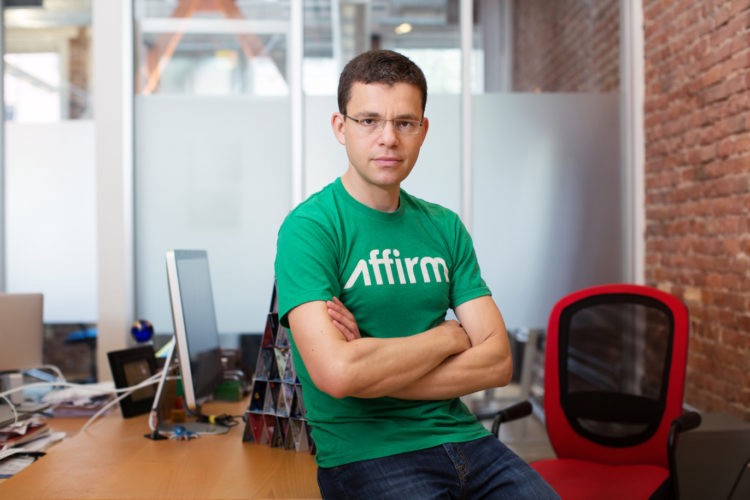
In high school, boarding school became his liberation. He started smoking, drinking, and partying all night. Yet this seemingly chaotic life didn't lead him astray; instead, it crystallized his passion: computer science. Whenever a new idea struck him, he'd skip meals, sleep, and even classes until completion. This pattern continued through college, where he befriended similar-minded skippers who later became crucial to his entrepreneurial journey. One fateful 15-minute interview with Max Levchin changed everything—it convinced him to drop out and join PayPal, then a struggling startup.
The IPO Burger Dream
With $200 in his pocket and some trepidation, Steve headed from the Midwest to Silicon Valley. At PayPal—an engineer-driven company with no product managers—any engineer with an idea could team up with a designer to build features. He learned the value of radical transparency: customer data, revenue, fraud losses, and burn rate were visible to all, fostering open discussion and dramatically reducing communication overhead.
Near PayPal's office stood a burger joint famous for a $168 burger combo. Employees joked that when the company IPO'd, they'd have to try it. By 2002, after surviving the dot-com bubble and going public on NASDAQ, a group of PayPal employees rushed to buy those burgers.
But the IPO brought mixed blessings. While founders kept their promise and made many millionaires, eBay's acquisition soon followed—another challenge for Steve's career.
Just a Cog in the Machine
At eBay, Steve became just another employee. Unlike PayPal's engineering-driven culture, eBay's hierarchy stripped engineers of voice. He couldn't advocate for ideas or improvements—only execute orders. This "middle management" role bred apathy. Despite earning over $100,000 annually and watching eBay scale rapidly, the inability to drive innovation quietly planted seeds of discontent.
For companies, balancing operational efficiency with respect for individual contributions remains eternally challenging. Google's solution—allowing engineers 20% time for personal projects—offered a compelling alternative.
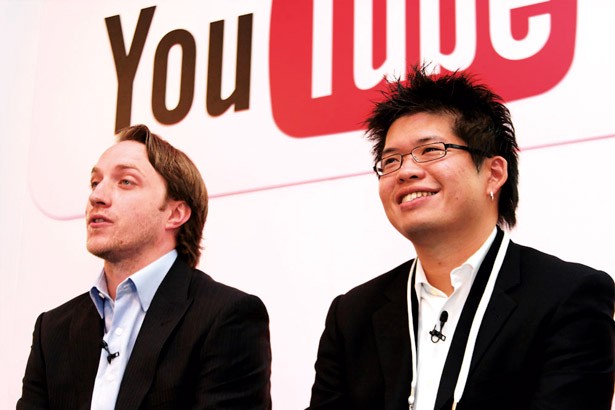
Then Chad Hurley called: "Hey, I'm back. I want to do something. Don't you want to do something?" Perfect timing. Steve left eBay, and excited, embarked on YouTube with Chad.
Nobody Watched YouTube?
In early 2005, YouTube was initially positioned as a social video network, blending the trendy dating platform element into the product. But this strategy failed to attract users. The founders acknowledged they couldn't manufacture virality—they needed a different approach. They abandoned the social element, focused on technology, and let user-generated content drive the platform. The singular goal: when you want to watch videos, come to YouTube.
Growth remained elusive until Nike uploaded a video of Brazilian footballer Ronaldinho shooting practice, striking the crossbar four consecutive times. Though explainable today, it sparked viral buzz then. But this breakthrough owed everything to YouTube's decision to upgrade server infrastructure so one million simultaneous viewers wouldn't crash the system.
This became the gold standard for video marketing in advertising—the first million-view video.
Growing the Extended Family
As YouTube's views and users skyrocketed and the business model matured, they pursued funding. While venture capital backed by strong networks was valuable, should they approach angels or go straight to Series A with institutional firms? They chose Sequoia Capital, valuing not just capital but also expertise and ecosystem connections—advantages that would prove crucial whether staying independent or pursuing an exit.
As the company matured, small teams couldn't handle it all: expanding to multiple countries, supporting various mobile devices and wireless networks required substantial resources. So they decided to sell. Sequoia facilitated introductions to major suitors: Yahoo, Google, Microsoft, and Apple. What would you choose?
After five days of consideration, they chose Google—attracted by its engineering-first culture and promise of freedom to innovate.
The Champion Falls
By 2007, YouTube had expanded globally. Bill Gates showcasing a YouTube search of himself at a conference, the British Royal Family using YouTube to connect with citizens, fascinating videos proliferating worldwide—it suddenly hit Steve that he wielded tremendous influence.
That year, the U.S. presidential campaign featured YouTube's first crowdsourced debate. Steve and team were interviewed constantly about YouTube's impact. Three sleepless days blurred together as he worked non-stop. After it all ended, he collapsed on the plane headed home. As his world began spinning, he passed out. He woke in a hospital bed: brain tumor diagnosis. Surgery was unavoidable.
The illness forced him to step back from Google. He began questioning what he truly wanted: money? fame? houses? cars? Google's salary and benefits? None of that. He realized he craved entrepreneurship—the passion of starting from scratch, building his ideal life. He declined a $10 million bonus from Google and left.
Life After
True to his ideal, Steve founded AVOS and later became CTO of Draco in Taiwan in 2019. The story continues. Meanwhile, YouTube became the platform we know today—with all its monetization dynamics and creator ecosystems.
Steve credits YouTube's success to three lucky factors: 1) Broadband proliferation in 2005, 2) Flash achieving 97% market share, and 3) Accessible video recording technology. Understanding the internet means understanding human nature—but can you truly predict it? Countless brilliant ideas have failed from poor timing. So you must seize luck: do the right thing at the right time.
Personal Reflection
"The Untold Story: How YouTube's Founder Steve Chen Earned $13 Billion in 20 Months" covers life philosophy, company governance, and marriage—written in first person without arrogance despite wealth and fame. It's balanced, honest, and for me, like scripture.
I recognize YouTube's success partly involves survivor bias—but such fortune comes only when a team prepares thoroughly. So when you ready yourself, leave the rest to chance and destiny. Keep a healthy mindset: don't fear mistakes. Next time opportunity arrives, you'll correct course. I've been fortunate to meet transformative books at life's key moments—like The Stranger during military service, quieting my overthinking, and this book during my search for meaningful life. It's reassuring during difficult times. I highly recommend reading it, reflecting: would you make different choices? I certainly would have.